



What field conditions are most likely to distort potassium plant availability?
A: The two biggest factors that affect potassium availability are soil moisture level and soil pH (assuming there is an adequate supply on the soil exchange sites, which are measured through soil testing).
Soil Moisture Level
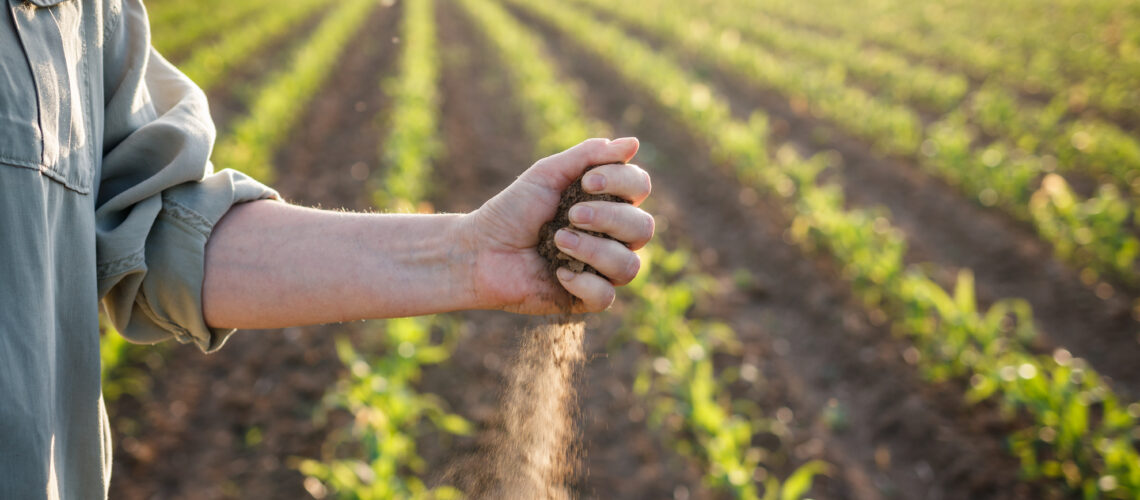
As the soil dries, potassium availability can be decreased for two reasons:
- Slower diffusion rate due to limited water (potassium is just unable to move easily to the plant root).
- Poor potassium availability due to clay collapse (exclusively for 2:1 clays — smectite, illite, etc.).
It is quite common for potassium deficiency to be noted much more frequently in drought stress environments, especially on heavier clay soils.
Soil pH
The lower the soil pH, the more limited the availability of potassium. This is not necessarily due to poor soil supply capacity, but more a function of poor root development. Remember, potassium is relatively immobile in soil, so anything that limits the root volume will likely inhibit nutrient uptake (this is true for other immobile nutrients as well). Poor root development is common on acidic soils (even more so when free aluminum is present).
Soil calcium and magnesium level can also impact potassium uptake. Soils high in either or both can result in a higher potassium fertilization to ensure an adequate supply.
If you would like to have your question answered send us a tweet and we’ll get back to you!