



Key Insights for a Thriving Wildlife Food Plot
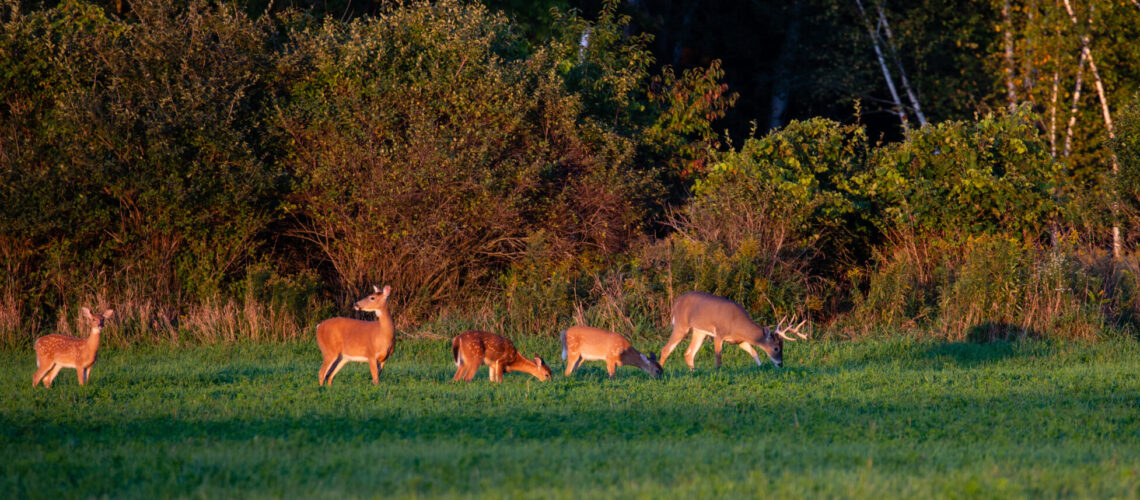
Successful management of a wildlife food plot requires an understanding of local soil conditions, pests, plant life, and nutrient conditions. Ensuring your plot thrives requires year-round attention. As mentioned by extension agent, Bill Maily, who recently spoke with host Mike Howell on an episode of The Dirt.
Maily believes a nutrient management plan is crucial. “Nitrogen produces green. We’ve done a project where we put different levels of nitrogen out, and the deer walk right straight across the low ones, and boom, they jump on the higher level. You also have to watch P and K levels because that’s producing root systems. If you put too much nitrogen, and don’t have the right phosphorus and potassium level, you can grow a plant to death, so you’ve got to have that balanced fertilizer.”
Interested in learning more?
Food Plots (Mississippi State University)
Wildlife Food Plot Series (Penn State)
Food Plots (Purdue University)
Establishing and Maintaining Wildlife Food Plots (University of Florida Extension)