Lyle Cowell is based in northeast Saskatchewan, where he has spent his career in agronomy with a focus on better soil management. Lyle has always had the goal of connecting the three points of good research, agronomy extension and farm gate advice and application of soil fertility principles.
This comprehensive publication is relevant for all of Western Canada where saline and solonetzic soils occur. The difference between the characteristics and management of these two salt-affected soils is discussed on a very practical basis for agronomists and farmers.
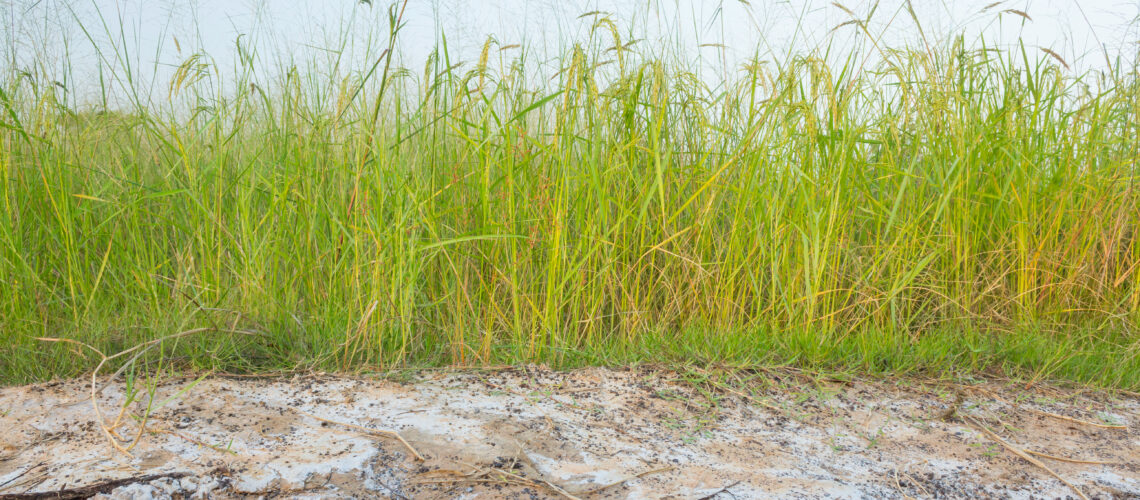
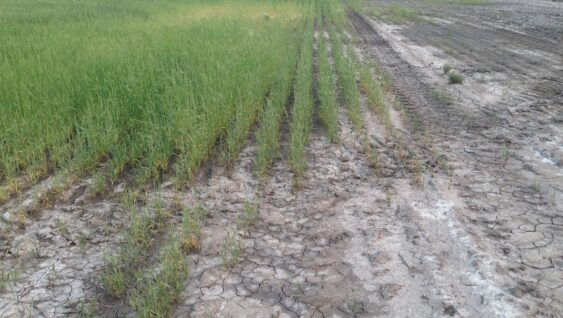
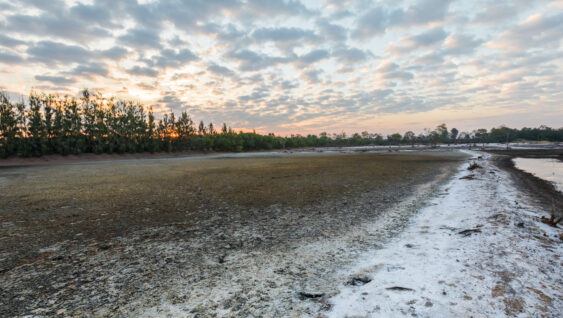
The first portion of the publication helps us understand which salts are important in saline land, and how the soil water systems develop to accumulate salts in topsoil in excessive amounts. This is followed with practical solutions to either tolerate or remediate salt-affected land. For saline soil, reduced tillage, choosing tolerant species or planting (or retaining) deep-rooted forages need to be considered to lower the water table and reduce the movement of salts to the root zone of crops. In terms of fertilizer management, phosphorus is most likely to be a benefit as the restricted crop roots may have limited ability to take up native phosphorus. Tile drainage is also noted to have potential but there is caution that there have been many failures to address salinity with tile drainage and the site should be carefully investigated before investment. For solonetzic soil the main solution has been deep tillage, which can also be difficult to do right.
The final portion of the publication describes the measurement of salinity to help guide identifying if a soil is saline or solonetzic, and the severity of the problem.
Most importantly the quote ‘there is no easy or magic cures for soil salinity’ remains true, and the issue must be dealt with under better learning and best land use practices.