



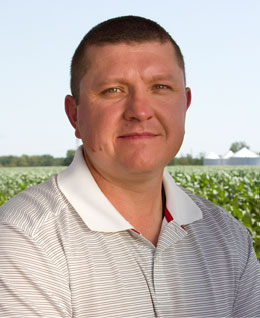
Robert Mullen Ph.D.
Ph.D., CCA, CPAg.
To say Dr. Robert Mullen is passionate about agriculture would be an understatement. He holds a Bachelor of Science degree in ag business from Cameron University, along with a Master of Science degree in plant and soil science and a Ph.D. in soil science from Oklahoma State University. In addition, Dr. Mullen has been published in a variety of scientific and trade journals. But it’s not just his academic accomplishments that make him unique. It’s his unwavering ability to take complex data and — in simple terms — explain how it impacts a farmer’s bottom line. Dr. Mullen delivers the kind of insightful observations that can lead to a more profitable business. As a leading agronomy expert, Dr. Mullen has a goal to further educate farmers on best management practices that improve their yields and maximize their return on investment.