



Post-Drought Soil Test Results
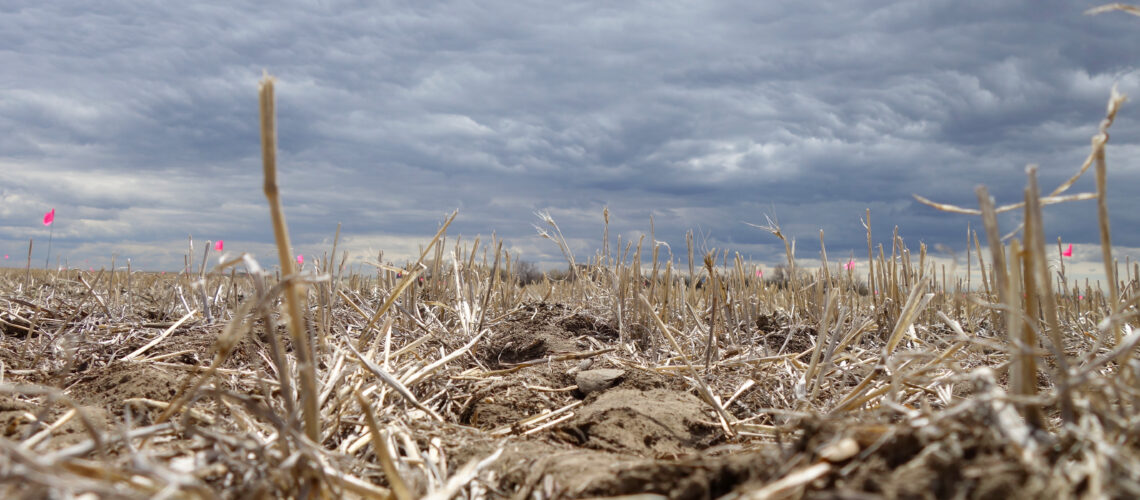
Outside of moisture-stress itself, drought can have a major impact on crop nutrition. Dry soils limit root activity, especially at the soil surface, and when the soil is dry those roots are not as effective at taking up nutrients. That moisture-stress effect can be compounded with nutrient stress – poor nutrients in the subsoil where the active nutrients are going to be in dry conditions. If there are no nutrients in the subsoil, the crop may experience a variety of nutrient deficiencies.
There are several effects that growers may notice on their soil test results following a drought.
Nutrient Removal
In circumstances where crops that were going to be used for grain are now being used as forage for livestock, harvesting the whole plant increases the amount of nutrients removed from the soil. For example, potassium is mostly present in the leaves and stems of a wheat crop, so removing the whole plant removes more potassium from the system. This may increase potassium deficiencies if the nutrients are not added back to the soil through fertilizer for the next crop.
On the other hand, if less of the crop is harvested there will be nutrients remaining in the soil that were not used up by the plant. If the crop was fertilized for a higher yield than what was achieved, the remaining fertilizer will likely show up in the soil test, showing higher nutrient levels due to residual fertilizer.
Residual Nutrients
Residual nutrients found in a soil test should become part of next year’s nutrient budget, but while these levels may slightly alter a farmer’s nutrient management plan, it is still advisable to follow a planned program.
Nitrate
Residual nutrient levels are particularly noticeable with soil-nitrate levels. There may be a significant amount of nitrogen left in the soil that could be used by the following crop, particularly in Western Canada where there is not a lot of over-winter nitrogen loss. In Eastern Canada fall soil-nitrate is less meaningful because there is likely to be over-winter loss. In these geographies a soil test in the spring will have more meaning.
Potassium
In dry conditions, particularly at the end of the season and post-harvest, potassium may still be in the plant tissue and will not show up in a soil test. We can often see lower than expected potassium levels because we are not getting the nutrient recycling as rapidly.
Both nutrient removal and residual nutrient rates should be monitored and accounted for when finalizing next year’s nutrient management plan. For geographies such as Eastern Canada that experience over-winter nutrient loss, it is advisable to complete a soil test in the spring prior to finalizing fertilizer plans.
Refer to the following resources for further reading on soil testing following a drought.
Soil-Test Interpretations for Fall Fertilization and Liming Decisions with High Fertilizer Prices and After Highly Variable Rainfall and Crop Yields
Be Cautious When Interpreting Fall Soil-Test Results Following Drought