



Acid Rain and Its Relation to Sulfur Depletion
Sulfur has been naturally deposited in the soil for decades. In the 1900s, sulfur was emitted from factory and power plant exhaust and delivered to the atmosphere and soil through rainfall (also known as acid rain). In areas with significant manufacturing, growers rarely had to think about the need for sulfur fertilization. That all changed when the Clean Air Act was first passed in the United States in 1970 and in Canada in 1971. Established to regulate factory emissions and protect people from airborne pollutants, the acts set a permanent threshold on sulfur emissions. Since then, the concentration of sulfate ions has decreased dramatically throughout Canada and the United States (as seen in the map below). This reduction in emissions has also resulted in greater sulfur deficiencies across North America and a growing demand for sulfur fertilization.
Plants rely on sulfur throughout various stages of crop production. Sulfur helps plants with protein synthesis, chlorophyll production, seed development, and the root absorption of nitrogen in legume crops. It can also help support greater plant growth, greater stress and disease resistance, and improved nitrogen use efficiency.
Inadequate supplies of sulfur will hinder plant growth and quality. Common signs of sulfur deficiency include yellowing in young leaves, light-colored veins, and small, hard, or woody roots and stems. Growers who face sulfur deficiency can supply sulfur through their fertilizer program. Many products are available to growers including sulfate- sulfur fertilizers and elemental-sulfur-based fertilizers. Each source has a variety of benefits that can help you achieve balanced nutrition.
Click through each of the MORE buttons below to learn more about acid rain and its relation to sulfur depletion and the growing need for sulfur fertilization.
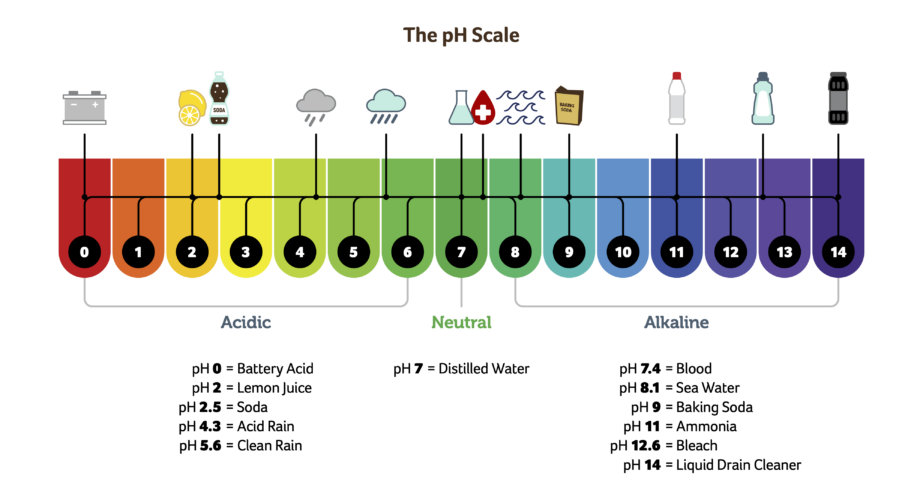
To learn more about the role that sulfur plays in your nutrient management program, visit the following resources:
Is Sulphur the Missing Ingredient?
The Dirt Season 2, Episode 10: Drilling Down Deep; The Critical Role of Sulfur
The Dirt Season 2, Episode 11: Don’t Forget the Sulfur! Agriculture’s Fourth Nutrient
The Dirt Season 2, Episode 15: Why Is Everyone Talking About Sulfur?
Acid Rainfall in Recent Years
- Sulfate ion concentration has decreased significantly since the 1980s and less acid rain falls due to decreased emissions of sulfur dioxide and nitrogen oxides.
- The 1970 Clean Air Act passed by the Environmental Protection Agency of the U.S. Congress created awareness for air pollution control to the public and industry, establishing various programs to reduce air pollution and improve human health. The Acid Rain Program was developed in 1990 and set a permanent cap on SO2 emissions allowed by electrical generating units.
- The Canadian Clean Air Act began in June 1971. Since this point, concentrations of sulfur dioxide have decreased dramatically across Canada and have met the strictest annual air-quality standard since 1999.
The Need for Sulfur Fertilizer
- In the past, the atmosphere and rain provided crops with free sulfur and farmers rarely considered adding sulfur to their nutrient program.
- With the reduction in acid rainfall, sulfur deficiencies in crops have become more prevalent.
- Plants require sulfur for the synthesis of proteins containing the amino acids methionine, cystine, and cysteine, meaning non-protein nitrogen is accumulated. Sulfur is also needed in the synthesis of chlorophyll in the plant and assimilation of nitrogen by root nodules in legume crops.
Signs of Sulfur Deficiency
- Yellowing of young leaves, then the entire plant.
- Veins that are lighter in color than adjoining parts of the plant.
- Small, hard, and woody roots and stems.