







Episode 13: Replacing What’s Removed: Phosphorus And Potassium
Season 5
Episode 13
May 26, 2026

Subscribe on your favorite platform


Show Notes
What happens when crops remove phosphorus and potassium from the soil, and what does it take to replenish them?
In this episode, we’re in the classroom at Mississippi State University sitting down with Dr. Vaughn Reed to explore how to manage nutrient removal and replenishment by thinking about your soil like a bank account.
From what’s immediately available to the crop versus what takes time to become available, to how different soils respond to replenishment and the economics of rebuilding fertility levels, we break down how phosphorus and potassium behave in the soil and how to think about removal and replacement across soil types.
Plus, Dr. Reed shares what growers should consider when making replenishment decisions under tight margins, and answers questions about removal and replacement from across the classroom.
Subscribe to our YouTube channel: https://www.youtube.com/@NutrieneKonomics
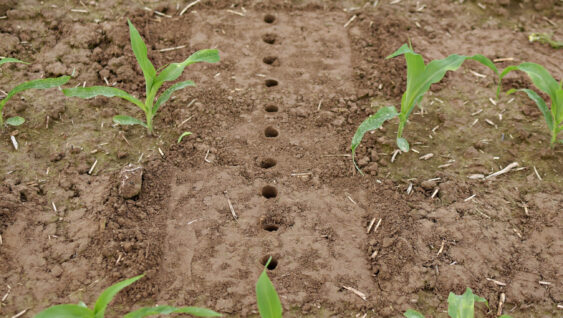
"We need phosphorus and potassium to really reach our 100% maximum yields."
About the Guest
Dr. Vaughn Reed
Assistant Professor, Soil Fertility, Mississippi State University
Dr. Vaughn Reed has been an Assistant Professor in Soil Fertility at Mississippi State University for over four years. In his role, he works on investigating and researching strategies that increase nutrient efficiency for NPK for crops grown in Mississippi. He earned a bachelor’s degree in agronomy and crop science from Murray State University and a master’s degree in plant and soil science and a Ph.D. in soil sciences from Oklahoma State University. He has published several agronomic publications alongside his colleagues on a variety of topics related to soil fertility and nutrient management.


