



Fall-Applied Nitrogen For Corn Success
What tips can help farmers in the Midwest succeed with fall-applied nitrogen ahead of corn?
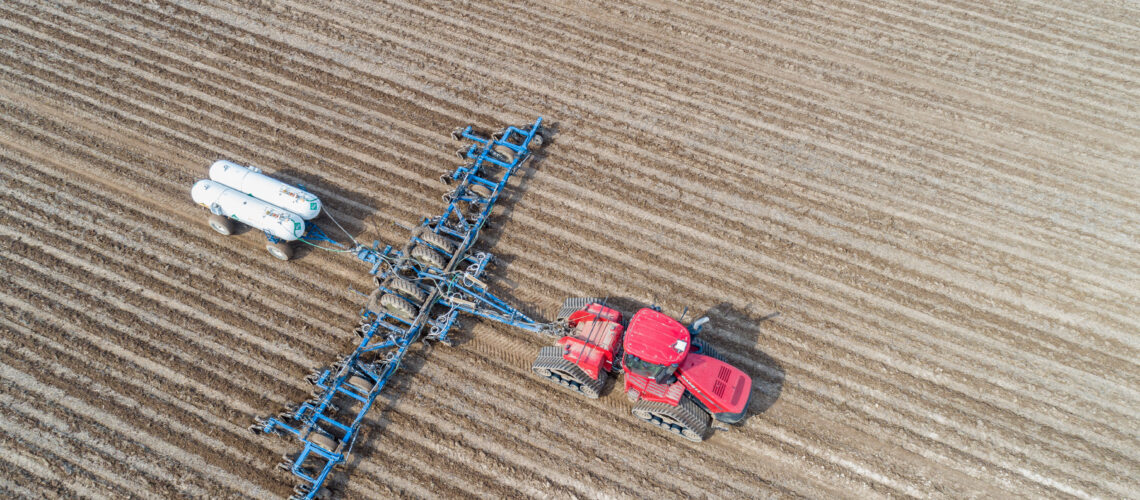
A: When applying anhydrous ammonia, soil temperature needs to be 50 degrees or below so microbes won’t convert the ammonium forms of nitrogen to nitrate form that can be lost. Use a nitrification inhibitor as needed and be sure it is knifed deep enough in soil conditions that allow the band to close.
If applying urea, wait one week after the soil temperatures have been 50 degrees or less. If broadcasting urea, make sure you’re using a urease or nitrification inhibitor or polymer-coated urea, with a recommended tillage incorporation, to decrease the chance of losses.
Be sure to abide by all state regulations regarding fall fertilizer applications, such as Minnesota’s Groundwater Protection Rule.
How Do Soil & Weather Impact Fall-Applied Nitrogen Success?
A: When it comes to potential ammonium losses, generally finer-textured soils have greater capacity for holding ammonium to prevent losses with fall application. Ammonium losses as volatilization can be greater in soils with higher pH. It is not recommended for fall applications of nitrate fertilizers due to the high potential for leaching losses with high rainfall events, especially in coarse textured soils.
If considering split-applied nitrogen to reserve more of my spring window for planting, is there a best recommendation for fall versus spring-applied? And what about variable-rate by zone?
A: Since weather and inhibitor use can dictate the amount of fall-applied nitrogen left in the spring, we’re seeing more farmers split nitrogen applications between fall and either planter-applied starter or sidedress or all three applications. Some farmers use the pre-sidedress nitrate test (PSNT) tool to help assess current nitrogen availability.
You can reduce the risk of nitrogen loss in the fall by using an inhibitor or coated urea, then focus a higher percentage of nitrogen application during spring and early summer applications, closer to when corn nitrogen needs are greater.
Regarding variable-rate application, a blanket-rate application in the fall is a better practice for nitrogen. If you’re going to variable-rate anything, phosphorus and potassium are excellent candidates, as they are relatively immobile in the soil.
As more states adopt some form of nutrient reduction strategies to improve water quality, what practices help farmers lower their risks?
A: The most significant practice to reduce risk is to avoid nitrate fertilizer application in the fall. If you need to make a fall application, reduce the amount of potential nitrate loss by protecting nitrogen from being converted to nitrate using nitrification inhibitors, urease inhibitors or polymer-coated urea. Remember that research shows some nitrates will exist in water due to the natural mineralization of organic matter, even if you didn’t apply nitrogen fertilizer. 90 percent of the nitrogen in the soil is present as organic matter.
Also, make sure you apply in soil temperatures below 50 degrees.
What environmental factors should be tracked this winter into early spring to determine spring nitrogen needs?
A: The two biggest factors to track are soil temperature and rainfall. Cooler soil temperatures in the spring might be limiting nitrogen availability because those microbial processes are still slowed down. That’s why we suggest that farmers apply nitrogen, phosphorus, and potassium in a starter form to help promote spring growth. The PSNT test can be used to determine plant-available nitrates at that point. But if it has been a cooler spring, you might not get mineralization from organic sources.
If you use a polymer-coated urea product like ESN, it doesn’t lose nitrates as it is temperature driven, not water driven. The granule allows water in to dissolve the urea inside the polymer coating. Then as the soil temperature warms up in the spring, the polymer coating breaks down to release the nitrogen, protecting it from being lost.