



The Baseline Has Changed: New Fertilizer Maintenance Rates
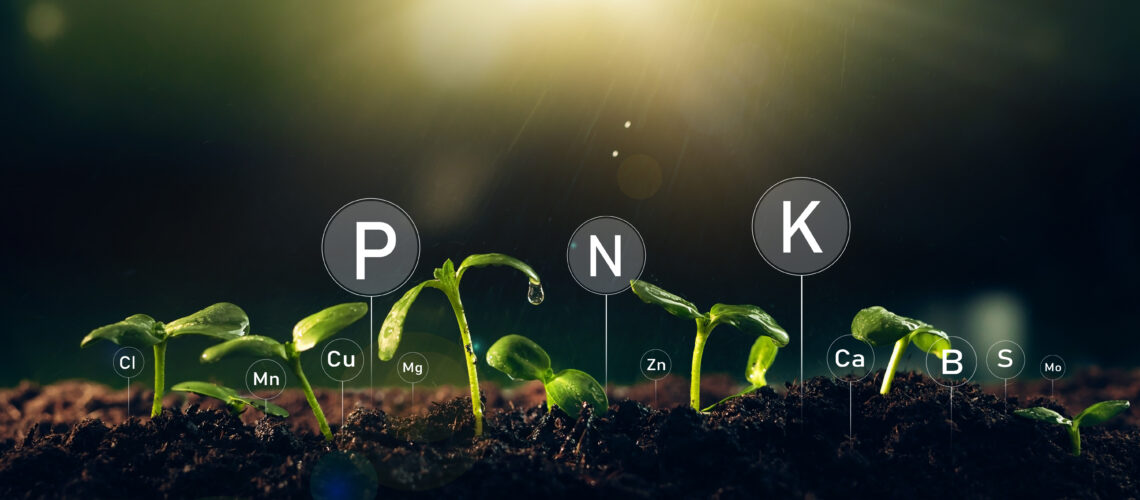
In a recent episode of The Dirt podKast, Mike Howell sat down with Dr. John H. Grove to discuss soil’s new demand for foundational nutrients. Dr. John H. Grove is a professor in the Department of Plant and Soil Sciences at the University of Kentucky who has more than 40 years of experience in agronomic research. He and his team have been working together to re-examine and update fertilizer rate recommendations in the state for more than a year. The insights shared in their most recent update give North American growers a better understanding of their soil’s demand for nitrogen, phosphorus, potassium and sulfur.
New Phosphorus Maintenance Rates
As yields increase, so does the removal of key nutrients like phosphorus. You may notice that even when you follow recommended phosphorus rates, your soil test levels decline as a result of crop removal. Corn and wheat growers in Kentucky noticed this trend, and the university extension team recognized a need to update recommended phosphorus maintenance rates.
While maintenance rates are not focused directly on profitability, maintaining an optimal level of fertility is essential to minimizing the possibility of deficiency (a typically expensive place for growers to bounce back from). New phosphorus maintenance rate recommendations were updated for soybean, small grain, and corn growers:
- Previously, the recommended maintenance rate for small grains and soybean crops was 30 pounds of P₂O₅ per acre. Now, the recommended maintenance rate is 40 pounds of P₂O₅ per acre.
- Previously, the recommended maintenance rate for corn crops was 30 pounds of P₂O₅ per acre. Now, the recommended maintenance rate is 50 pounds of P₂O₅ per acre.
New Potassium Maintenance Rates
Growers have often noticed the same trend observed with phosphorus occurring with potassium—as yields increase, potash removal rates increase, and maintenance rates are no longer efficient.
Dr. John H. Grove identified a need to update recommended potash maintenance rates for small grain, corn and soybean growers. While there was only a modest increase for wheat and corn growers, North American soybean growers should keep a close eye on their potassium as recommended maintenance rates have now doubled. Applying the updated recommended maintenance rate now will allow you to prevent nutrient deficiency and avoid applying larger rates of fertilizer in the future.
- Previously, the recommended maintenance rate for small grains was 30 pounds of K₂O per acre. Now, the recommended maintenance rate is 40 pounds of K₂O per acre.
- Previously, the recommended maintenance rate for corn crops was 30 pounds of K₂O per acre. Now, the recommended maintenance rate is 50 pounds of K₂O per acre.
- Previously, the recommended maintenance rate for soybean crops was 30 pounds of K₂O per acre. Now, the recommended maintenance rate has doubled to 60 pounds of K₂O per acre.
A Closer Look at Nitrogen
The research team also took a closer look at nitrogen. While re-examining the current recommended rates, Dr. Grove found that more data is needed before making an official change. However, Dr. Grove and his team uncovered additional insights that can help you better manage current recommendations.
The team took a closer look at cereal cover cropping and how this practice can affect nitrogen availability and recommended nitrogen fertilizer rates. They found that heavy cover crops (i.e., cereal rye, wheat, barley) can tie up nitrogen during the process of decomposition. This can result in a greater need for nitrogen throughout the growing season and a possible deficiency if not addressed as soon as possible.
They also wanted to take a closer look at a newer practice that’s affecting recommended nitrogen application rates—urease inhibitors. The team found that in certain situations, nitrogen rates are 20 to 30 pounds higher per acre in fields that don’t use urease inhibitors. Growers who surface apply UAN can reap significant benefits from the use of urease inhibitors. This application practice protects the urea in your fertilizer granules for up to three weeks; helping you prevent loss and protect your nitrogen investment.
A Closer Look at Sulfur
Sulfur has historically been at the bottom of a grower’s nutrient management plan. For decades, it was not as crucial to consider the need for sulfur fertilization. Now, as the atmospheric deposition of sulfur has decreased, we are beginning to take a closer look at the importance of adding this macronutrient to our soil.
While the University of Kentucky is still actively working on specific sulfur recommendations, you can work with your local university extension or crop advisors to access fertilizer recommendations specific to your region. Typical rates fall between 0 and 30 pounds of sulfur per acre for corn crops and 10-20 pounds of sulfur per acre for small grains. You can find more details on recommended sulfur application rates here.
Looking Ahead
As yields rise and crop removal rates reach all-time highs, fertilizer recommendation rates will change across the country. Following updated recommended maintenance rates will help you minimize the possibility of nutrient deficiency and maintain your soil fertility to grow high quality crops. Agronomic tools like soil testing and tissue analysis can also help you create a more tailored fertilizer program based on the needs of your specific fields.
Watch the full episode of The Dirt to uncover other nutrient management insights with Mike Howell and John H. Grove:
Keep up to date with the latest changes in nutrient management when you subscribe to the eKonomics newsletter.
Want to dig deeper? Explore the following resources to learn more about meeting soil’s demand for nitrogen, phosphorus, potassium and sulfur:
Managing Nutrients in Soybean and Corn Rotations
Phosphorus On Corn For Success
Phosphorus: Because It’s Worth It
New Study Identifies Corn Sulfur Needs
Potassium Fertilization For Success
Potassium Fertilization: Time For Another Look
Potassium vs. Phosphorus: What Your Crops Need Most
Phosphorus and Potassium Application Pro Tips
Sources:
Original AGR-1 document: AGR-1: Lime and Fertilizer Recommendations, 2020-2021
Updated recommendations: Grain Crop Phosphate and Potash Rate Recommendations: AGR-1 Updates | Grain Crops