



The Growing Demand for Potash: Time to Replenish

Summary of what you'll find
As you’ve achieved higher yields season after season, your crops may have removed more potassium than you’ve replaced through your fertilizer program. The result? Potassium deficiencies are on the rise and increasingly limiting our yield potential. Now, growers are searching for cost-effective solutions that can help them meet the growing demand for potash and replenish their soil while meeting their yield, profitability, and soil fertility goals – because without adequate potassium, you’re leaving yield in the field.
The Role of Potash
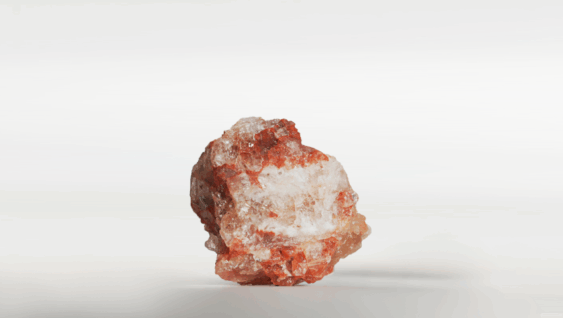
Potash fertilizers, a key source of potassium, are proven tools that can help you achieve your goals. Used for hundreds of years, potash fertilizers supply the potassium your crops need and play a critical role in plant production – from resisting disease and drought to improving water-use efficiency and carbohydrate production. Muriate of Potash (MOP), also known as potassium chloride, has become the most widely used form of potassium fertilizer, accounting for more than 80 percent of the potassium applied around the world.¹
Who Needs Potassium?
The focus on potassium fertilization has increased in recent years as growers take a closer look at soil test data and the need for various nutrients across different cropping systems and soil conditions. It’s also increased as global food security concerns rise; growers are focused on maximizing yields to continue feeding our growing world.
In Southeast Asia, small holder oil palm farms and rice-maize cropping systems have the greatest demand for potassium. However, inadequate fertilization, input costs, intensive cropping system, and challenging local soil conditions have led to its depletion across Southeast Asian soils. In a recent multi-site trial, nearly 90 percent of fields tested deficient in potassium – so much so that it’s become the most limiting yield factor in their fields.
Stop Leaving Your Potential in the Field
Once you know that inadequate potassium is limiting your yield potential, it’s important to focus on what sources can provide you with an adequate supply.
Field trials on oil palm farms in Southeast Asia found that potassium chloride (MOP) fertilization can help drive greater yields while replenishing soils and boosting economic returns. Fields receiving recommended equivalent potassium chloride rates (381 kilograms of MOP per hectare per year or 340 pounds of MOP per acre) saw a 40 percent increase in oil yields compared to lower MOP application rates (81 kilograms per hectare per year or 72.3 pounds of MOP per acre) over three years. The results show how increased rates of MOP can provide a rich source of potassium to replenish soil supplies while meeting the demands of crops throughout each stage of production.
Similar trials in rice and maize cropping systems demonstrated yield increases of seven and 11 percent, respectively, when MOP was applied and included in their fertilizer programs. These results demonstrate how inadequate potassium supplies are often the culprit behind yield gaps and lower profitability.
Overall, the increased yields across each system generated profits two to three times greater than the fertilizer expense; demonstrating the valuable economic and yield return that comes from potash fertilizers and the application of potassium chloride.
Meeting New Demands for Potassium In the Soil
As one of the simplest, affordable and widely available sources of potassium, MOP (0-0-60) plays a critical role in replenishing soils, supplying potassium to growing crops, and increasing yields. Implementing best management practices alongside a rich source of potassium like MOP can help you maximize your productivity and profitability season after season.
This recent research across oil palm, maize, and rice small holder cropping systems has led to new recommended fertilizer application rates. Growers can implement these new rates to keep up with their soil’s demands for potassium.

Working with your local agronomist, crop consultant, university extension, or fertilizer supplier is the first step to creating a strong fertilizer program rooted in your field’s need for potassium.
Plan to Replenish
Adjust your yearly nutrient management plans and fertilizer programs to account for your need to replenish potassium. Potassium deficiencies can rob you of your yield potential and economic returns, so plan to replenish your soil every season for greater results, yields, and soil fertility.
Learn more about potash fertilizer and the growing demand for potassium in the following eKonomics resources:
Potassium Fertilizers: Muriate of Potash or Sulfate of Potash?
How Potash Is Mined and Produced
The Dirt S2 Ep 36: Everything You Need To Know About Potash
The Dirt S3 Ep 35: Celebrating 65 Years of Potash Production
Potassium Fertilization: Time For Another Look
Sources:
¹The Fertilizer Institute. (2025). Understanding Potash. https://www.tfi.org/media-center/2025/03/10/understanding-potash/
²Dr. Karl Wyant. (April 2025). Potash Demand Hot Spots in SE Asia. Presentation at the Argus Fertilizer Asia Conference.