



Five Essential Fertilizer Facts About The Power Of Fertilizer

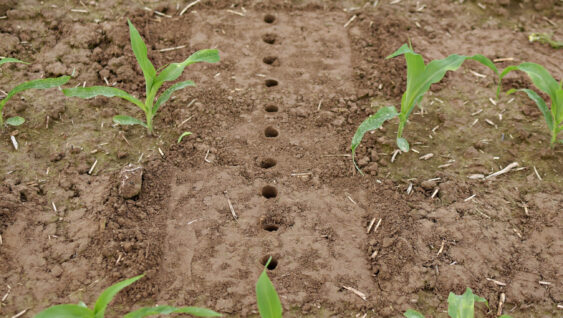
Fertilizer plays an essential role in our soil and in the agriculture industry. It is vital to crop nutrition, quality, profitable production, optimal land use, and soil fertility. As you work tirelessly out in the fields, these five fertilizer facts are handy to keep in your back pocket.
1. Fertilizer is vital to crop nutrition.
There are 17 essential nutrients that are critical to the growth of a plant. Fertilizers provide your crops with access to many of these vital nutrients, including nitrogen, potassium, phosphorus, and sulfur. While each nutrient plays a unique role in your soil and crops, they are all critical to proper crop nutrition and plant processes, including photosynthesis, energy transfer, and nutrient uptake. Fertilizer allows you to supply your crops with the proper amount of nutrients each season to ensure good yields and quality.
For further reading on crop nutrition, visit these eKonomics resources:
Essential Nutrients For Plant Growth with Dr. Alan Blaylock
Crop Response to Micronutrients
Top 10 Crop Nutrition Learnings Of 2023
2. Fertilizer is vital to the quality of your crops.
When soils are deficient in one or more nutrients, you sacrifice potential yield and crop quality. When your crops can access the nutrients they need, when they need them, in the place they need them, harvest outcomes can drastically improve. Adequate plant nutrition, provided by fertilizer, leads to a greater yield and a better-quality crop by replenishing the nutrients in your soil removed from previous harvests.
For further reading on crop quality, visit these eKonomics resources:
The Importance Of The 4Rs: Asking The Next Question
Crop Nutrition Deficiencies Can Increase Pest Issues
Three Lesser-known Advantages of Starter Fertilizers
3. Fertilizer is essential to profitable production.
As mentioned above, proper crop nutrition leads to higher quality and yield. This leads to consistently increased market value for crops and increased profitability for farmers. When farmers invest in nutrient management and the productive capacity of their soil, they see a greater return on their crops.
To find more information on how fertilizer can increase profitability, visit these eKonomics resources:
Balanced Nutrients Increase Crop Yields & Aid in Environmental Protection
4R’s: For the Environment and For Profitability
4. Fertilizer is critical to the optimal use of our land.
As fertilizers allow crops to access an increased supply of nutrients, it gives farmers the opportunity to produce more crops on less land (more yield per acre). Rather than expanding their farmland to meet rising food demands, farmers can grow more food on their existing farmland as fertilizer improves crop nutrition and increases yields. Optimizing yields on our current farm ground is crucial for reducing future land clearing and sustainably intensifying our ability to provide food for a growing population.
View the image below to see sustainable intensification in action using potash (potassium) fertilizers from over 60 years ago!

To find more information on optimal land use and efficient nutrient uptake, visit these eKonomics resources:
Nutrient Uptake Considerations Under Drought
What is the difference between nutrient uptake and nutrient removal?
How Farmland Agreements Can Affect Nutrient Management
5. Fertilizer is vital to the fertility of your soil.
Soil fertility is linked to the quantity and quality of the nutrients that are in your soil. As farmers grow crops year after year, nutrients are used by the plants and removed from the soil and will need to be replenished to prevent the reduced productive capacity of the soil in the future. The goal of fertilizer is to help replace these nutrients for greater soil fertility and proper crop nutrition. Fertilizers allow farmers to sustain productivity on the same land, and in the same soil, for longer periods of time.
To learn more about soil fertility, visit the following eKonomics resources:
How Does Harvest Impact Soil Nutrition?
Soil Fertility & Plant Diseases with Dr. Tom Allen
Six Soil Fertility Considerations for Spring
Fertilizer plays a vital role in crop nutrition, quality, profitable production, optimal land use, and soil fertility. Without it, it is estimated that food production would be half what it is today.
Interested in learning more about how you can better manage your farm with fertilizer? Reach out to our team of agronomists today.